When should a child begin to train, and why the old fear was wrong
Most parents think lifting weights is dangerous for children. Twenty years of paediatric consensus disagree, and the reason has more to do with the nervous system than with muscle.
Most parents think lifting weights is dangerous for children. Twenty years of paediatric consensus disagree, and the reason has more to do with the nervous system than with muscle.

Parents are told that writing by hand is vital for their child's growing brain, and that screens are eroding it. We sort the viral headlines from the solid evidence, and find the real benefit belongs to one group above all: children still learning their letters.
Your child's fussiness for food is mostly inherited, and most of the things parents try in order to fix it make it worse. Find out why young children refuse food, why it is rarely a parent's fault, and the unglamorous method that genuinely changes how they eat.
"I'm bored!" Don't panic. New research reveals boredom isn't a problem to fix - it's essential for your child's brain. Discover why resisting the urge to entertain is the key to building their creativity and resilience.


Your child is slumped in their seat. Maybe you are three hours into a road trip, or perhaps it is just a rainy Sunday afternoon in the living room. Then, the inevitable complaint begins: "I'm bored."
For us as parents, this phrase often triggers a spike of anxiety. We look at our children and feel a sudden pressure to fix the situation. We wonder if we have failed to provide enough entertainment, or we simply dread the whining that is about to follow.
The instinct is to intervene immediately - to suggest a game, find a toy, or increasingly, hand over a screen to keep the peace. We do this because we care. We want our children to be happy, stimulated, and learning.
But new research suggests that by constantly intervening, we might be interrupting a critical developmental process in your child’s brain. Boredom is not a problem you need to solve for them. It is a functional state of their biology.
It is the specific mechanism that drives your child to develop independence, creativity, and emotional control. When we bypass that mechanism to keep them happy, we risk leaving them without the tools they need to manage their own minds.
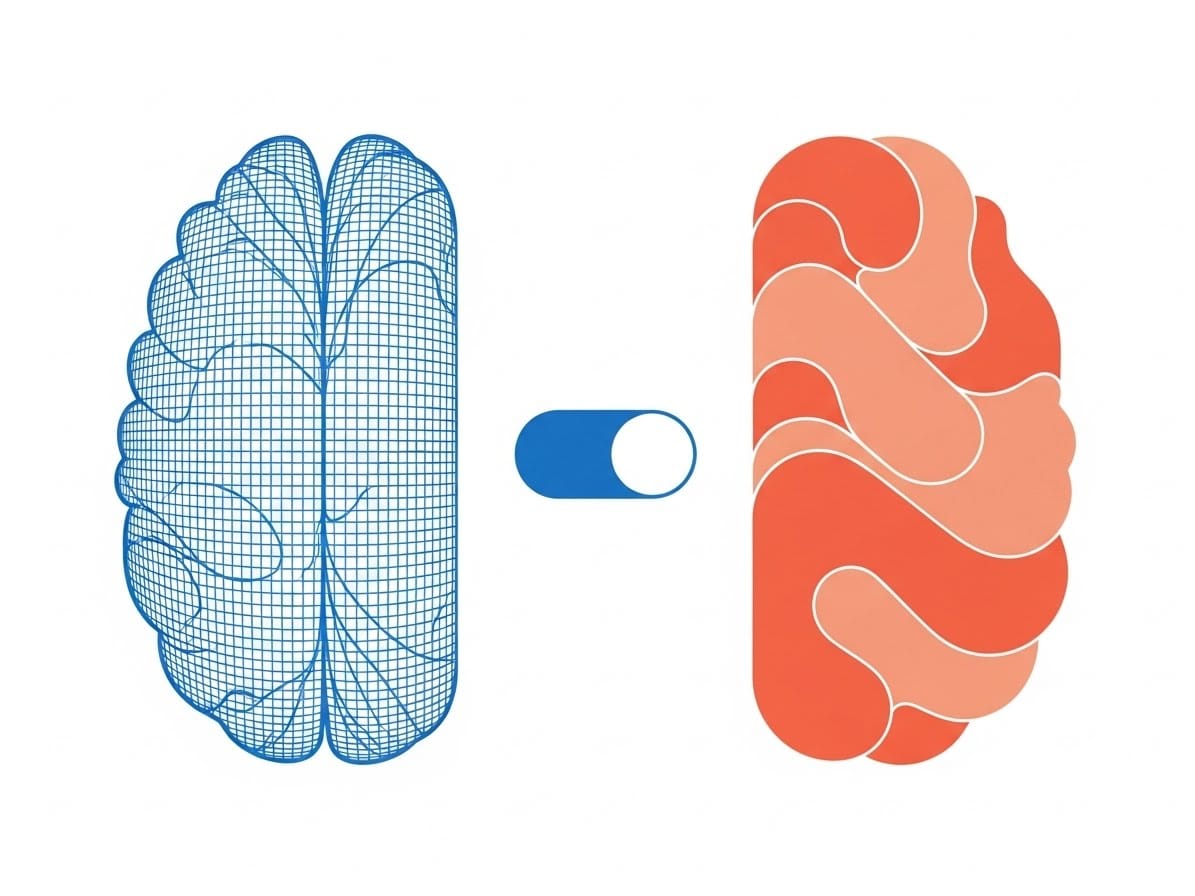
What is Happening Inside Your Child’s Head?
To understand why boredom matters - and why it feels so difficult for our children to manage - we need to look at what happens in the brain when it stops focusing on the outside world.
Neuroscientists used to believe that the brain became inactive when it wasn't engaged in a specific task. We now know the opposite is true. When your son stops focusing on his Lego set, or your daughter stares aimlessly out the car window, a specific network becomes active called the Default Mode Network (DMN).
This group of brain regions - including the medial prefrontal cortex and posterior cingulate cortex - is the center of internal experience. It is where your child processes their memories, thinks about the future, and begins to understand their own emotions. In a mature adult brain, we can switch easily between the "focus" network (technically called the Executive Control Network) and this "resting" network. When a task appears, the resting network quietens down and the focus network takes over.
In your child, however, this switching ability is still developing. The connections required to seamlessly move between these states are not yet solid. A landmark study published in 2025 by Isaac Treves and colleagues found that when young people struggle to maintain focus, their brains fail to make this switch effectively.
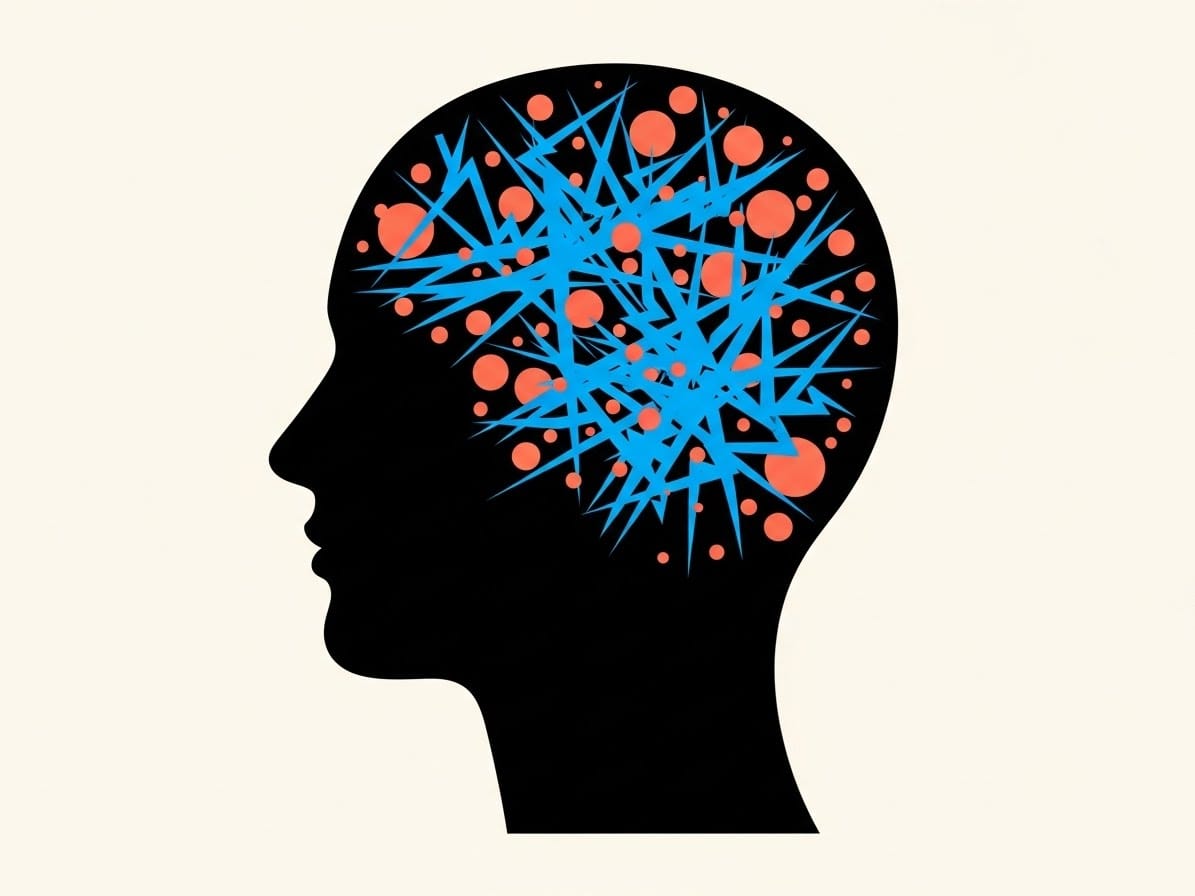
The researchers found that instead of a clear break between "focus" and "rest," the wandering adolescent brain gets stuck in a confusing middle ground. The resting network overlaps with the networks responsible for attention, which creates a state of neural disorganization. It is not quite resting, but not quite focused.
Research by James Danckert and colleagues describes this as a failure to settle. The brain is not relaxed enough to daydream constructively, but it is not engaged enough to do a task. It remains in a state of unfocused connectivity that feels restless and unsatisfying. This helps explain why a bored child often looks so uncomfortable. Their brain is physically failing to find a stable rhythm.
The Discomfort of Boredom: Why It Feels So Bad
If boredom is natural, why does it feel so distressing? Why do our children describe it as "painful" or act like they are physically uncomfortable?
Recent work has identified that this physical agitation comes from a part of the brain called the Anterior Insula, which monitors the body's internal state.
It acts as a prediction error. Your child’s brain expects a certain level of engagement or excitement from the world. When the environment fails to provide it, the Anterior Insula sounds an alarm. It sends a distress signal that feels like restlessness or agitation.
This distress is not a symptom of something going wrong. It is a signal to act. It is a biological drive designed to push your child to do something - to pick up a book, build a fort, or invent a game.
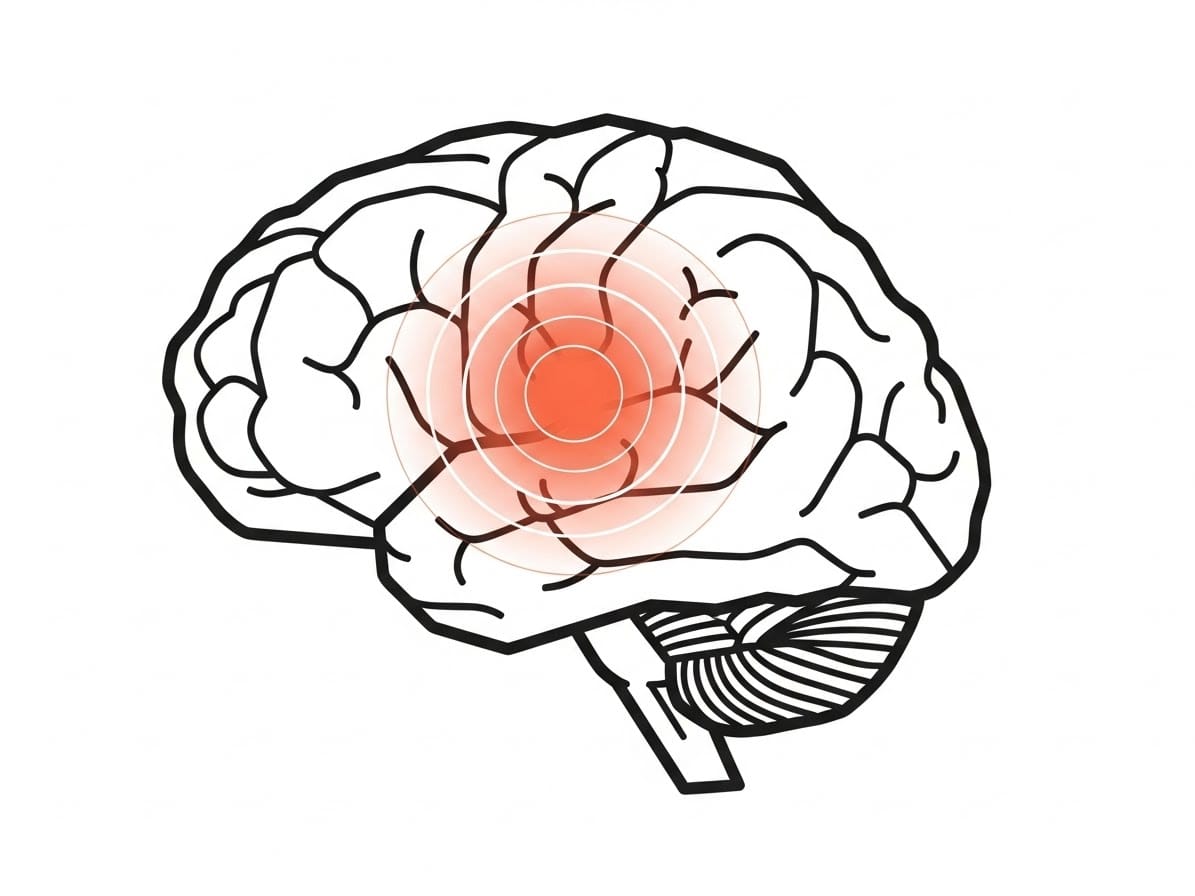
However, many children - especially those prone to boredom - struggle to interpret this signal.
A 2024 study by Chloe Trudel, James Danckert and their team found that boredom-prone individuals often have trouble identifying exactly what they are feeling. They feel the intense agitation but cannot label it as "boredom" or "hunger" or "tiredness". The signal is strong, but the meaning is unclear. Because they cannot understand the signal, they cannot resolve it. This leads to that familiar, frantic "I don't know what to do!" complaint.
The Developmental Gap: Why Teenagers Struggle More
You might notice that boredom seems to get worse, not better, as your child hits adolescence. This is counter-intuitive. Shouldn't an older child have better skills to entertain themselves?
Science tells us that adolescence opens a specific "regulatory gap". During the teenage years, the parts of the brain that process rewards and sensations mature very quickly. They are fully active and demand high-intensity stimulation. However, the part of the brain responsible for planning and self-control - the prefrontal cortex - is still developing and won't finish until a young adult reaches their mid-20s.
This creates a mismatch. The adolescent brain feels the urge to do something with intense power, but it lacks the planning skills to answer that urge constructively. They feel the need to be active, but they cannot quite organize themselves to start a project or engage in a hobby.
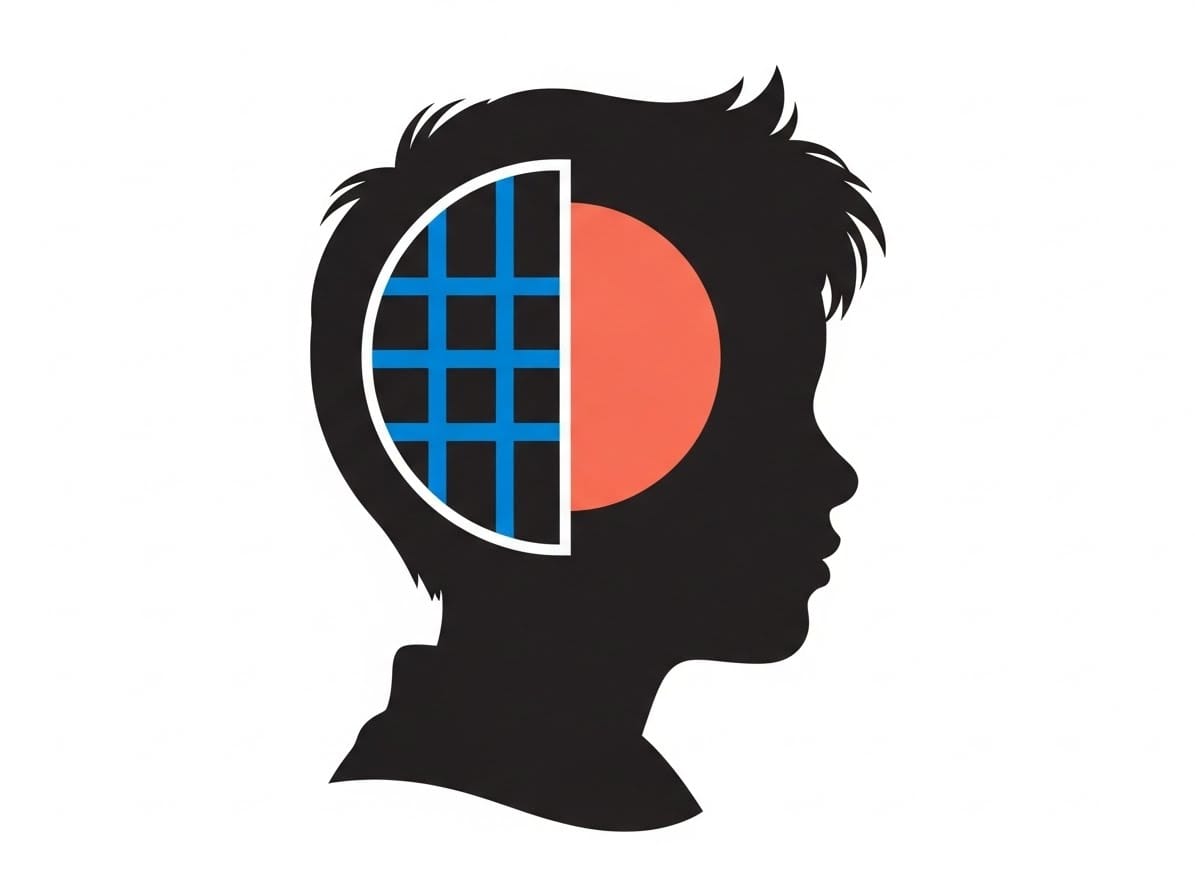
Recent data confirms this trend. Research led by Jamie Nettinga in 2024 showed that self-reported boredom increases steadily with age.
The researchers used EEG scans to measure brain activity patterns and found that boredom-prone adolescents showed a delay in maturity. While their peers' brains were quieting down, the boredom-prone brains remained in a state of high-frequency activity. This makes it physically difficult to sustain attention on low-stimulation tasks like reading or homework.
The ADHD Connection: Boredom and Waiting
One of the most common questions we hear is whether chronic boredom is a sign of Attention Deficit Hyperactivity Disorder (ADHD). The relationship is real, but it is more nuanced than we previously thought.
A 2025 study by Chia-Fen Hsu and colleagues looked at the relationship between boredom, attention, and the ability to wait. The study found that children with ADHD are not just "bored" in general. Rather, they suffer from delay aversion - an intense emotional distress caused by having to wait or tolerate low stimulation.
For a child with ADHD, the passage of time itself feels difficult if it isn't filled with immediate reward. This aversion uses up their brain's energy. Instead of using their mental resources to focus or find a creative outlet, their brain burns that energy fighting the discomfort of the delay.
Interestingly, parents are often better at spotting this than the children themselves. The study noted that children often lack the self-awareness to say, "I am struggling with boredom". Instead, they blame the environment: "This class is stupid" or "This toy is broken". This suggests we need to look past the complaint to the underlying difficulty in managing time.
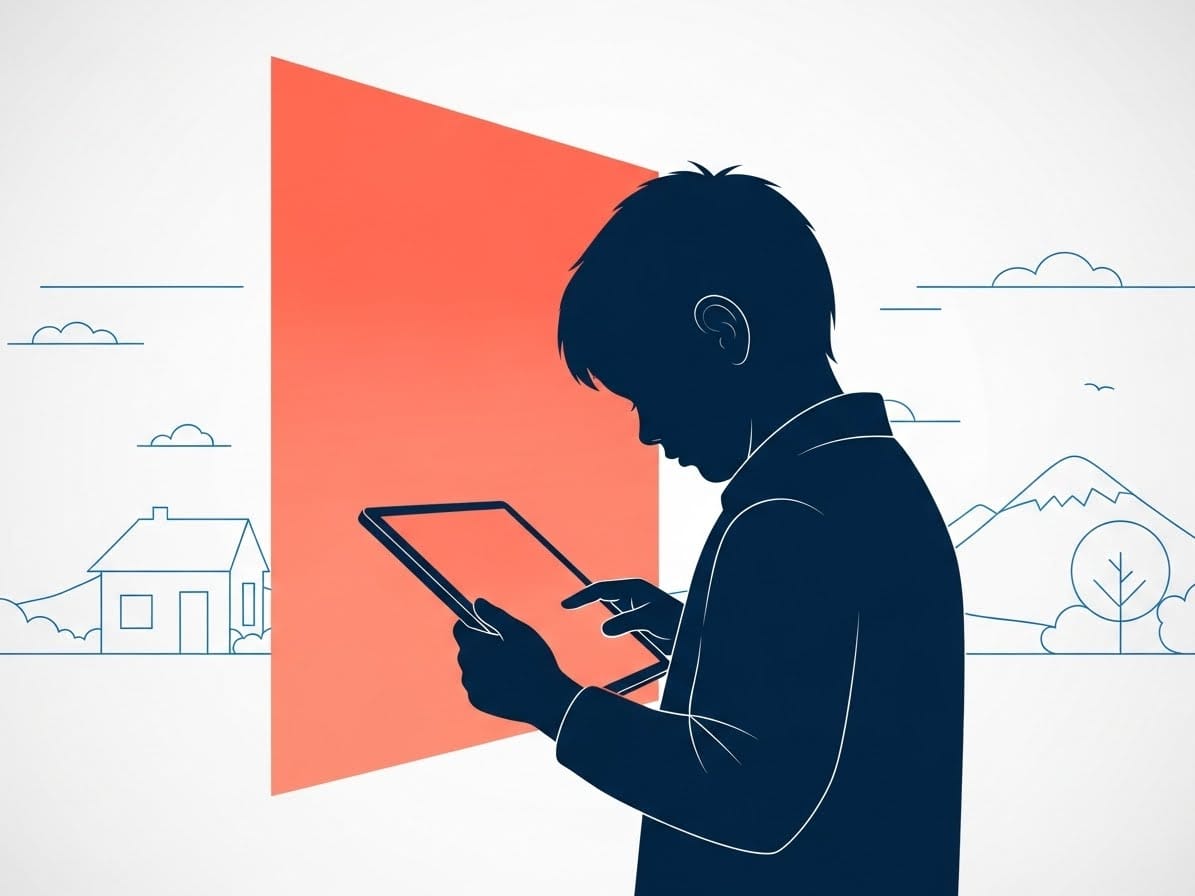
The Screen Time Challenge
This is where the modern environment creates a difficult cycle for us. When that distress signal - that internal alarm - goes off, the easiest solution is to hand over a tablet or phone.
This immediately solves the discomfort of boredom because the screen provides high-intensity stimulation that silences the Anterior Insula region in the child’s brain. However, it also bypasses the need for your child to do the work themselves.
A massive prospective study from the Tohoku Medical Megabank, published in 2023, analyzing over 7,000 children, provides a stark warning here. The researchers found that high levels of screen time at age one were strongly associated with delays in problem-solving skills at ages two and four.
The researchers support the idea that screens displace important learning experiences. Infants and toddlers need to physically manipulate their world - banging blocks, fitting shapes, failing and trying again - to build their planning skills. This is a helpful effort. When a screen takes over, it replaces that effort.
In older children, this causes their ability to entertain themselves to weaken. If an adolescent repeatedly uses a device to instantly fix the boredom trigger, the neural circuits required for self-regulation do not get enough practice. Their brain learns that the solution to boredom comes from the outside, not the inside.
Over time, this raises the level of stimulation they need to feel interested. Normal life - a classroom, a walk in the woods, a conversation - starts to feel impossibly dull because it cannot compete with the intense stimulation of the algorithmic feed.
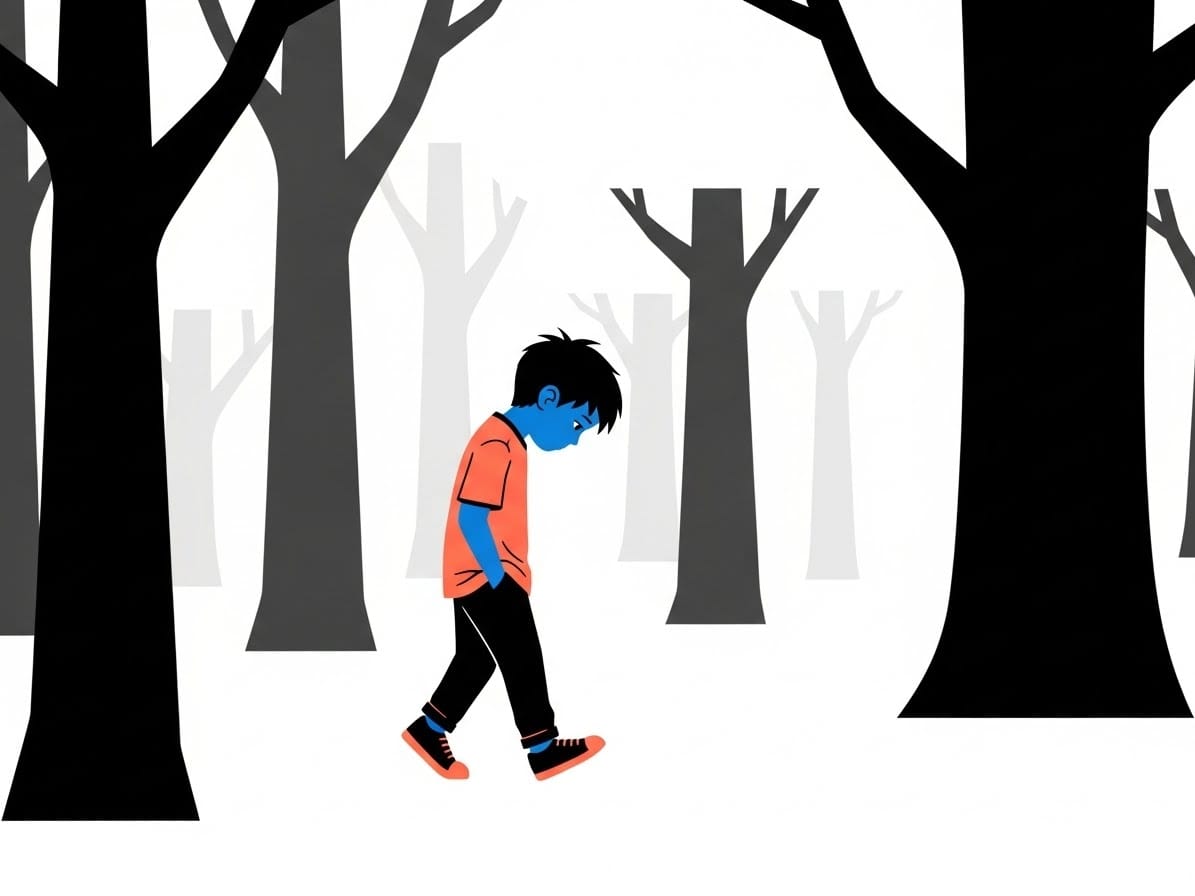
The Dark Side vs. The Creative Side
We often hear that boredom is "good for creativity." That is true, but with a major condition. The latest research from 2023–2026 shows that boredom is necessary for creativity, but it does not guarantee it.
Boredom only leads to creativity if the child has autonomy - the freedom to choose.
When researchers force people to be bored in a restrictive room where they can't do anything, the brain just shuts down or becomes agitated. But when boredom happens in an environment where a child is free to choose what to do, it can trigger positive daydreaming and planning.
This is the ideal state. It requires a specific coordination between brain networks. The Default Mode Network (generating wild ideas) has to connect briefly with the Executive Control Network (evaluating those ideas). Constant entertainment prevents this connection because the brain is locked in a reactive mode. It is only in the quiet moments of boredom that these weak, creative associations can bubble up to the surface.
However, if a child feels they have no control - if they feel trapped - boredom can turn negative.
Research on agency frustration shows that when people feel helpless to relieve their boredom, they may turn to aggression or destruction. They might break a toy or pick a fight with a sibling. Psychologically, this is a desperate attempt to prove they exist. If they can't create something, they will destroy something, because destruction proves they have an impact on the world.
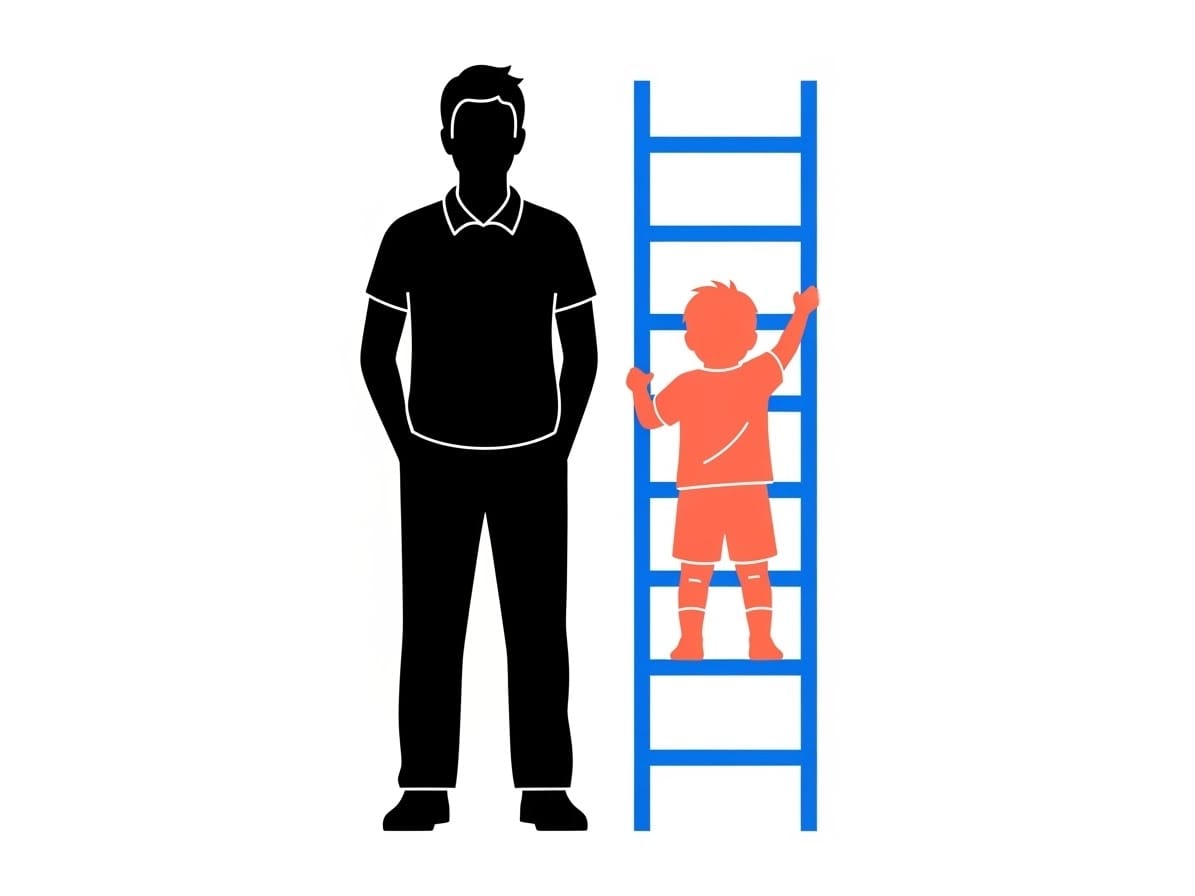
What You Can Do: Guiding, Not Solving
So, do we just ignore them when they whine? Not exactly. The goal is not to abandon them to their distress, but to help them move through it. Researchers call this autonomy support.
Instead of entertaining them, you become the support system. Here is how to apply this science at home:
1. Name the Feeling Help your child interpret the signal. When they are physically restless, say: "I can see you feel restless. That is your brain telling you it is ready to do something new." This helps them label the sensation as a signal, not a crisis.
2. The List of Options Since their planning skills are still developing, they may genuinely not know how to start. Offer a list of low-stimulation options - drawing, Legos, reading, going outside. Do not include screens on this list. Then, crucially, step back. Let them choose.
3. Finding the Value For older kids, help them view the boring task differently. If they are bored by homework or a chore, teach them to focus on the value (how this helps them achieve a goal) rather than the enjoyment (which isn't there). This engages their planning brain to manage the boredom signal.
4. Attention Practice New research supports the use of simple Attention Training Techniques. These are auditory games where you ask your child to identify five sounds they can hear in the room, then five sounds outside, then switch back and forth. A 2025 study by Torben Müller and colleagues suggests that this simple exercise physically strengthens the connections between the "resting" and "focus" networks, making it easier for them to switch gears when they feel stuck.
5. Embrace the Reset Recognize that if you reduce screen time, the first few days will be hard. Their brains are resetting their need for stimulation. The "withdrawal" boredom they feel is real, but it is temporary. Once the brain adjusts, simple pleasures like a board game or a walk will start to feel engaging again.
Boredom is not the enemy. It is the challenge your child faces to build their resilience. It is the space where they learn who they are when no one is watching. If we can learn to tolerate their discomfort - and our own anxiety - we give them a gift that no screen can provide: the power to be at peace with themselves.
2025, Treves, I. N., Kucyi, A., et al., Dynamic functional connectivity signatures of focused attention on the breath in adolescents, Cerebral Cortex
2025, Danckert, J., The Science of Boredom, Children and Screens Institute of Digital Media and Child Development (Podcast/Review)
2023, Takahashi, I., Obara, T., et al., Screen Time at Age 1 Year and Communication and Problem-Solving Developmental Delay at 2 and 4 Years, JAMA Pediatrics
2025, Hsu, C-F., et al., Boredom proneness and inattention in children with and without ADHD: the mediating role of delay aversion, Frontiers in Psychiatry
2024, Trudel, C., Danckert, J., et al., Interoception and Boredom Proneness: A Novel Finding and a Call for Research, Journal of Boredom Studies
2025, Drody, A., et al., "I Am Easily Bored." Analysis of a Single Item Measure of Boredom, Journal of Psychology
2025, Müller, T., et al., Initial evidence for neural correlates following a therapeutic intervention: altered resting state functional connectivity in the default mode network following attention training technique, Frontiers in Psychiatry
2024, Nettinga, J., et al., Exploring EEG resting state as a function of boredom proneness in pre-adolescents and adolescents, Experimental Brain Research

Most parents think lifting weights is dangerous for children. Twenty years of paediatric consensus disagree, and the reason has more to do with the nervous system than with muscle.

Parents are told that writing by hand is vital for their child's growing brain, and that screens are eroding it. We sort the viral headlines from the solid evidence, and find the real benefit belongs to one group above all: children still learning their letters.

Your child's fussiness for food is mostly inherited, and most of the things parents try in order to fix it make it worse. Find out why young children refuse food, why it is rarely a parent's fault, and the unglamorous method that genuinely changes how they eat.

Most of what shapes a young life turns out to be joyful and ordinary. A major new study shows what teenagers themselves treasure, and why the way they answer can tell you how they are really doing.